
Debt vs. RRSP: What should Canadians put their money towards?
Posted by Steve Harmer on
With the Feb. 29 deadline for registered retirement savings plan contributions looming, many Canadians are wondering whether it is better to pay off debt or add to their RRSP.
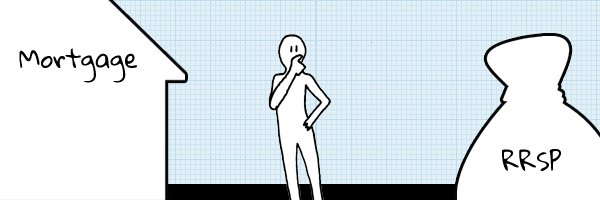 Financial advisers say that while making any contribution to an RRSP or a tax-free savings account (TSFA) is always a good thing, clearing up consumer debt should be the first priority.
“If they’re in credit card debt then forget it, all they should be focused on is paying off that debt,” said David Trahair, a chartered professional accountant in Toronto. “Forget buying a house, forget RRSPs and focus on making money and spending less so you can pay off first the credit card debt and then the student loan debt.”
Canadians with taxable earnings can contribute up to 18 per…
1927 Views, 0 Comments
 With home prices moving ahead at a healthy clip, people are choosing to purchase a property with a friend or relative.
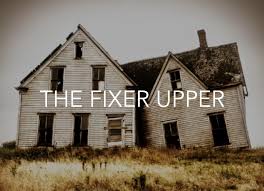 If you fall in love with a fixer-upper, you may find yourself in a tough spot figuring out how to pay the mortgage and cover the cost of renovations or postponing renos until you can afford them.
 Is It Possible to Get a Mortgage with Bad Credit in Canada?
 Mortgage rates weren’t supposed to make record lows in 2015, not if you asked economists and the Bank of Canada two years ago. But they did. And despite all the chatter about the first U.S. rate hike since 2006, Canadian rates could do it again in 2016.
 A buyer who fails to close on a purchase may be risking more than just the deposit - you could be looking at damages, says lawyer Richard Bell
 While some move to Canada to be with family members or for gainful employment, many others emigrate here to escape difficult situations in their home nations. Regardless of the motivation for moving, owning a piece of property is both a huge point of pride, and one of the most sought-after components of establishing a home in a new country.
 Todays news from the Canadian Real Estate Association
 Hot markets and cold feet might keep some people out of the housing market, but a lack of upfront cash doesn't have to be an obstacle. While it's long been the convention in the industry to start with a 20% down payment, the availability of mortgage default insurance means ownership is still possible with as little as 5% down, as long as the buyer meets industry standards of income and creditworthiness.
 Study after study suggests that Canadians are having a tough time paying off their mortgages, as debt levels continue to hit record levels year after year. Why?