
 Did you know that two out of three Canadian families own a house? That is one of the highest rates of home ownership in the world. And for good reason . Real estate is a great investment.
How Does A Rent To Own Really Work
Posted by Steve Harmer on
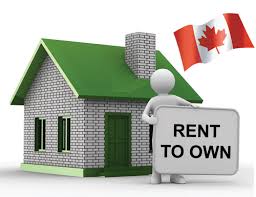
Is rent to own for you? How does it work?
You may have seen more and more people advertising that they have a house or condo for sale, and offer to do a rent-to-own. It seems to be becoming a popular way for selling a property, but not a lot is known about exactly how it works, and to whose benefit.
When a seller advertises that he will consider doing a rent-to-own deal, he will be looking for someone to lease the house with two contracts. One contract will be a regular lease contract, and the other will deal with the purchasing part of the deal. This contract will be for a period of time that is agreeable to both the seller and the buyer, usually anywhere from one year to three years. Many people think that the seller will simply set aside…
2461 Views, 0 Comments

 It may not be official, but Canada’s most expensive cities for housing seem to have a “one-bedroom policy” and millennials are no longer buying in.
 Mortgage rates weren’t supposed to make record lows in 2015, not if you asked economists and the Bank of Canada two years ago. But they did. And despite all the chatter about the first U.S. rate hike since 2006, Canadian rates could do it again in 2016.
 Most purchase and sale agreements come in standard formats, with standard clauses, and are drafted by the builder or real estate board. There are generally spaces throughout the agreement for additional, customized clauses to be added.
 The Canadian Real Estate Association has updated its forecast for 2016, with two provinces expected to lead the way.
 Popular misconceptions about real estate make many people hesitant to get into the home-buying or -selling game. And that’s a shame.
 Kamloops should escape the price shock homeowners in many parts of the province will experience when they tear open assessment notices next month.
 Hot markets and cold feet might keep some people out of the housing market, but a lack of upfront cash doesn't have to be an obstacle. While it's long been the convention in the industry to start with a 20% down payment, the availability of mortgage default insurance means ownership is still possible with as little as 5% down, as long as the buyer meets industry standards of income and creditworthiness.