
Choosing Your Realtor®
Posted by Steve Harmer on
 There are distinct advantages to having a Realtor® acting for you in buying or selling a property. With careful selection, you can benefit greatly from the skills of a knowledgeable and sincere Realtor®. There are a number of approaches to finding a good real estate agent. For example, friends, neighbors, and relatives may have the names of agents that they have dealt with and would recommend. Open houses also provide an opportunity to meet Realtors®. Newspaper ads list the names and phone numbers of agents who are active in your area. “For Sale” signs provide an agent’s name and phone number. And real estate firms in your area can be located through the Yellow Pages. Any of course, the Internet is one of the most popular methods of research…
4543 Views, 0 Comments
 Mortgage rates weren’t supposed to make record lows in 2015, not if you asked economists and the Bank of Canada two years ago. But they did. And despite all the chatter about the first U.S. rate hike since 2006, Canadian rates could do it again in 2016.
 A buyer who fails to close on a purchase may be risking more than just the deposit - you could be looking at damages, says lawyer Richard Bell
 A common topic among real estate buyers is whether or not they should offer a price that is much lower than the listed price. It's an interesting concept, but one that is not without its pitfalls. Submitting an offer is one thing, but getting the offer accepted is another thing altogether. Let's take a look at the different factors to consider:
 Most purchase and sale agreements come in standard formats, with standard clauses, and are drafted by the builder or real estate board. There are generally spaces throughout the agreement for additional, customized clauses to be added.
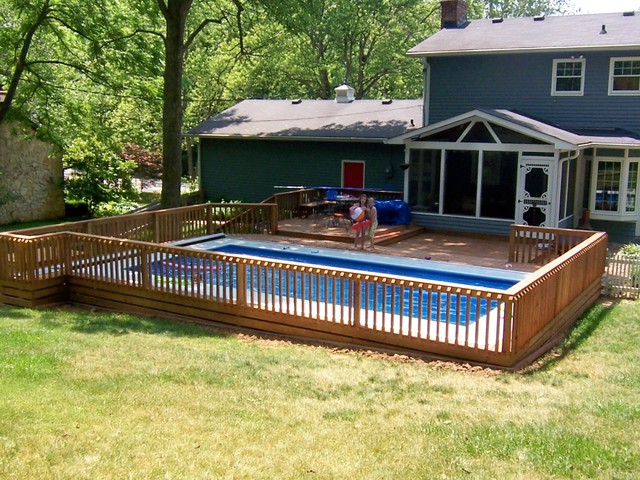 Sparkling blue water, especially when it's lit up at night – what's not to love about a swimming pool in your backyard? If you have one, you may feel blessed. If you don't, and are considering adding one, hang on a minute.
 The Canadian Real Estate Association has updated its forecast for 2016, with two provinces expected to lead the way.
 Two out of three adult Canadians do not have a will. One out of four Canadians will die suddenly. You can’t take the risk that the Canada Revenue Agency or your provincial government will end up with your money because of poor tax planning and lack of a will. However, there are some classic pitfalls to avoid when preparing your will and doing your estate planning.
 While some move to Canada to be with family members or for gainful employment, many others emigrate here to escape difficult situations in their home nations. Regardless of the motivation for moving, owning a piece of property is both a huge point of pride, and one of the most sought-after components of establishing a home in a new country.