
How To Sell Your Tenant Occupied Home
Posted by Steve Harmer on
You have an investment property and your looking to sell.

You still have current tenants, so what are the tips to help you get a sale while your tenants are in your property?
If your Tenant has something to gain from the sale of the house, they would be more willing to cooperate showing it.Think of ways to motivate them!
If at all possible, it would be best to wait until the tenants vacate the house prior to listing, however, that may not always happen.
There are several ways to motivate your tenant so they have the house in “Show Ready” condition at all times. Let’s be honest, it is work to keep the house in good, show ready condition even if it’s the homeowner living in the house.
Once you list your house for sale, you’re now asking…
5706 Views, 0 Comments
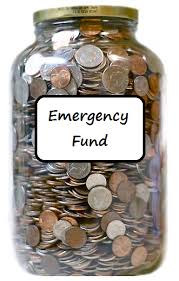 1. Fill Your Emergency Fund
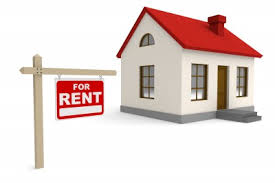
 Selling a home with an income-generating rental suite has many advantages to potential purchasers, thus giving you, the seller, an edge on the competition in today's evolving real estate market. In general, a rental suite is qualified when the secondary accommodation has its own separate entrance, a kitchen, living area and a bathroom with either a shower or bathtub.
 According to the Canadian Rental Housing Index, in the region there are 53,375 renter households and of those 10,995 people are renting accommodations. That represents 21 per cent of the population as renters, with a median household income of $37,384. The average rent in the area is $835 including utilities. Of those renting, more than 48 per cent of people spend 30 per cent or more of their income for housing. Another 2,425 people spend more than 50 per cent of their income on housing needs, representing 22 per cent of all renters.
 With a credit score under 600, it is likely that you will be turned down by a bad credit or prime lender and you may have to turn to a private lender. Private lenders provide an option to clients with bruised credit. Since it is a fast financing option with a higher risk to the lender, interest rates are almost always higher.

 Usually, market value is determined by what a buyer is willing to pay for a home, and what the seller is willing to accept. The recent agreed upon sale price of a home is usually the best determinant of a property's market value. However, there are circumstances where the price paid for a home is not the true market value. For example, there may be a special relationship between the parties which resulted in a much lower value being paid. Also, a buyer may have been willing to pay a premium for a property for some reason, and so it sold for much more than it would otherwise be worth.
